Ready to Build a Stronger Digital Presence?
Whether you're launching a new business website, improving an ecommerce store or looking for ongoing digital support, let's discuss what your business needs next.
De-Faith Concept | Website Design & Digital Solutions

In today’s digital-first world, users expect more than just a functional website. They want an experience tailored to their needs, preferences, and behaviors. This is where personalized website design comes in. Beyond aesthetics, personalization transforms static websites into dynamic, customer-centric platforms that convert visitors into loyal customers.
Whether you’re running an e-commerce store, a small business site, or a SaaS platform, personalization is no longer optional—it’s essential.
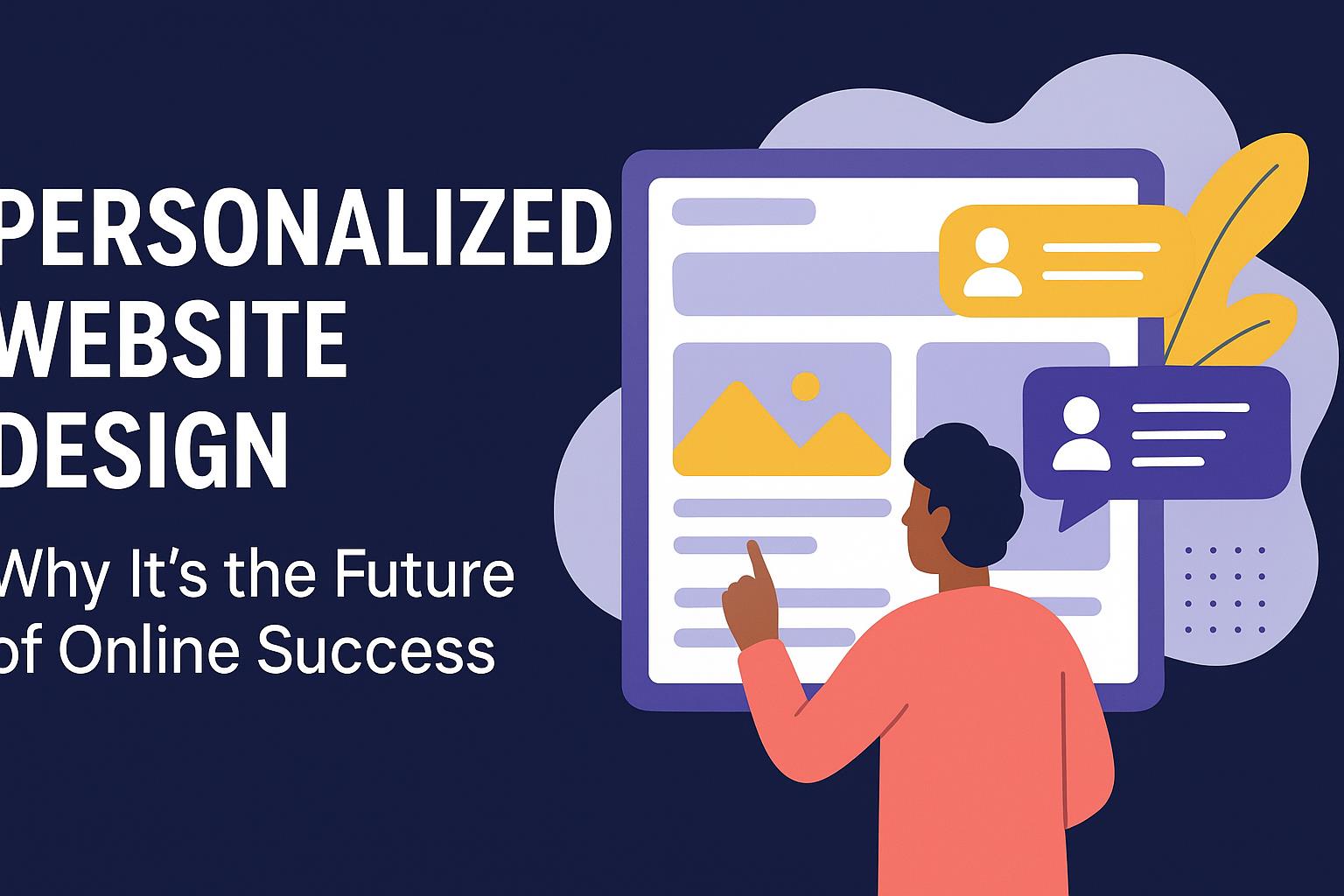
Personalized website design is the practice of customizing web experiences for individual visitors. Instead of offering the same static layout and content to everyone, businesses leverage data like location, browsing history, preferences, and behavior to deliver tailored pages, offers, and recommendations.
For example:
An online clothing store shows different products based on gender and past browsing.
A local restaurant displays location-specific menus.
A B2B website personalizes case studies based on industry.
Improves User Experience (UX)
Visitors stay longer on a site that feels relevant to them. Personalized navigation and recommendations reduce frustration.
Boosts Conversion Rates
According to Econsultancy, businesses that personalize their websites see conversion rate improvements of up to 20%.
Builds Customer Loyalty
Personalization fosters trust. When users feel understood, they are more likely to return and recommend your business.
Increases Average Order Value (AOV)
Smart product recommendations encourage upselling and cross-selling.
Gives Competitive Advantage
With AI and data tools widely available, customers expect personalization. Businesses that fail to adapt risk being left behind.
Use AI-Powered Personalization Tools
Platforms like Optimizely and Dynamic Yield allow real-time personalization for users.
Segment Your Audience
Break down visitors into groups—new vs. returning users, mobile vs. desktop, location-based segments.
Personalized Call-to-Actions (CTAs)
Instead of generic CTAs, adjust them based on the customer journey. For example, “Get Started” for new users vs. “Upgrade Plan” for existing customers.
Dynamic Content
Show different content (like banners or offers) based on user history and preferences.
Integrate with CRM and Analytics
Connecting your website with tools like HubSpot or Google Analytics ensures your personalization strategy is data-driven.
Google Optimize – A/B testing and personalization.
HubSpot CMS Hub – Personalization for content and CTAs.
Optimizely – Advanced experimentation and targeting.
Dynamic Yield – Enterprise personalization.
Zoho PageSense – Behavior tracking and conversion optimization.
Over-personalization that feels intrusive.
Ignoring privacy laws like GDPR and NDPR in Nigeria.
Failing to test personalized changes against baseline performance.
Personalized website design isn’t just a trend—it’s the new standard for successful businesses in 2025. By leveraging data, AI, and user behavior, you can create websites that connect with your audience on a deeper level, driving engagement, trust, and revenue.
If your website isn’t personalized yet, now is the time to act—your competitors already are.